

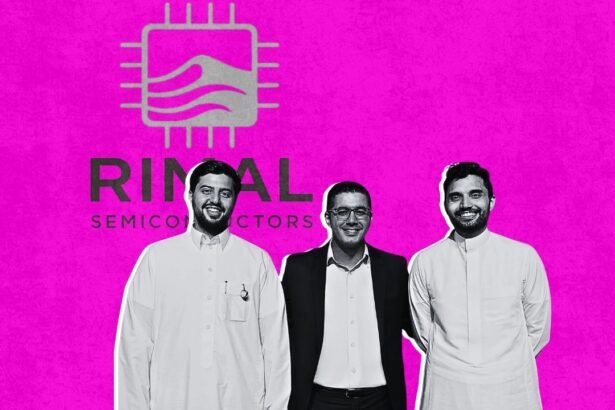
Rimal Semiconductors recently finalized a strategic bridge round. Keheilan Asset Management led the investment alongside an undisclosed regional partner. This capital injection accelerates Rimal’s mission to localize high-end silicon engineering. CEO Houssam Salem views the company as a critical geopolitical hedge. The global semiconductor industry currently faces a fractured supply chain. Most manufacturing power sits within the United States or China. This division forces global firms to choose sides in a tense trade environment. Rimal offers a neutral alternative by keeping intellectual property in Saudi Arabia. The firm operates a fabless model to maintain maximum flexibility. This strategy allows Rimal to design chips while outsourcing the actual production.
Navigating the Global Semiconductor Cold War
The current market suffers from a two camps problem. Trade restrictions often prevent companies from supplying both the US and China. Rimal avoids these bottlenecks through its independent ownership structure. The company holds contracts with foundries in Taiwan, Korea, and China. It is also negotiating with US facilities to complete its global manufacturing circle. This diversified footprint ensures that Rimal can serve any market without friction. By owning the design files locally, the firm protects its core assets. It provides the same high-quality specifications to clients regardless of their location. This approach mitigates the risks of international sanctions or supply chain disruptions.
Scaling Through a Regional Distribution Network
Rimal is already expanding its commercial reach across the MENAP region. The company recently signed a major distribution agreement to export its designs. This partner operates offices in Turkey, Egypt, Morocco, Tunisia, and the UAE. Local technical engineers provide on-the-ground support in each of these markets. This infrastructure ensures that Rimal’s technology integrates smoothly into diverse industrial sectors. The company currently manages six live contracts in its pipeline. These projects serve critical infrastructure and high-growth industries:
- Advanced power grid management systems for regional utility providers.
- Secure semiconductor solutions for the defense and aerospace sectors.
- High-performance processing units for local data center operators.
- Custom chip designs for a major Egyptian industrial corporation.
- Localized technical support for semiconductor integration across North Africa.
Building a Sustainable Saudi Tech Ecosystem
The Saudi government seeks to diversify its economy through advanced technology. However, building a multi-billion dollar foundry requires a massive state-level commitment. Salem argues that a local factory would fail without an existing demand ecosystem. Rimal follows a logical progression to build this foundation. The strategy starts with fabless design firms to create intellectual property. The next phase involves setting up assembly and testing facilities. Only after these stages can the Kingdom support a full-scale foundry. This phased approach reduces capital risk while building a skilled workforce.
Future Outlook for Sovereign Silicon IP
Rimal represents a shift toward technological sovereignty in the Middle East. The firm proves that regional players can compete in the global hardware market. By focusing on design, the company captures high-value segments of the value chain. It remains a flexible partner for global manufacturers and local industries alike. The recent bridge funding provides the necessary runway to scale these operations. As the world seeks reliable chip sources, Rimal stands ready to fill the gap.